
Only natural heat treatment in Ceylon, no infusing!
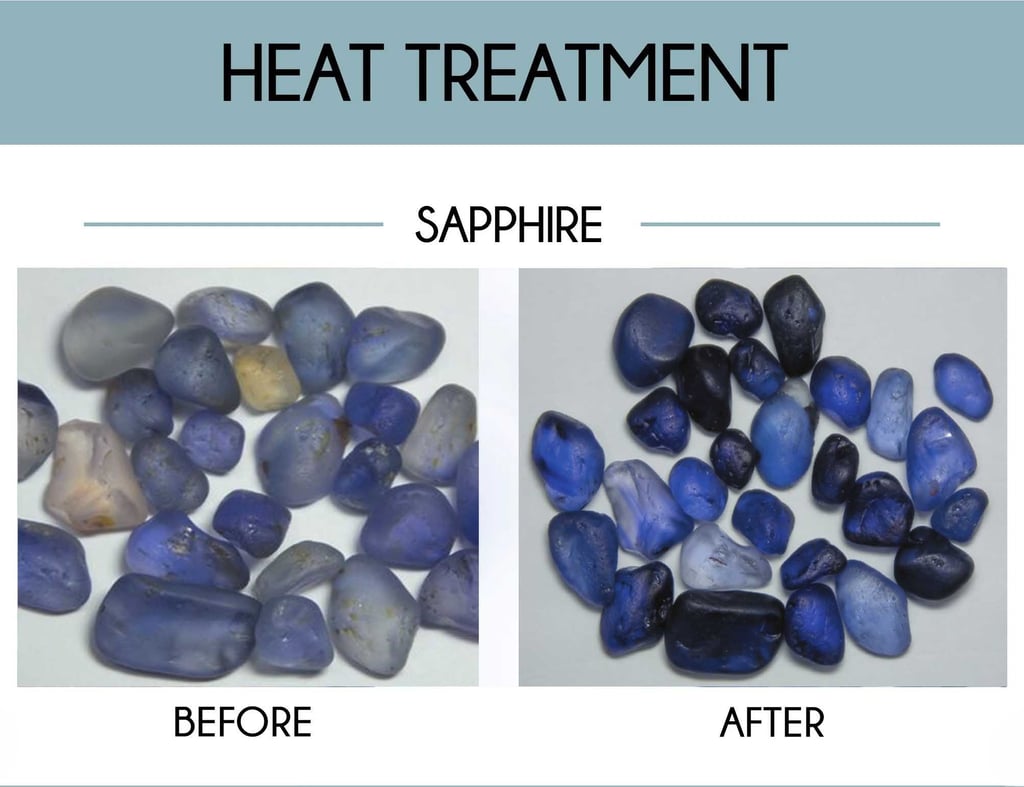
Why sapphires are to heat?
Sapphires are heated to enhance their color and improve their clarity. This common, accepted standard practice simulates natural geological heating processes to transform pale or cloudy stones into vibrant, brilliant blue, yellow, red/pink, and colorless (white) sapphires. Over 90-95% of sapphires are treated this way.
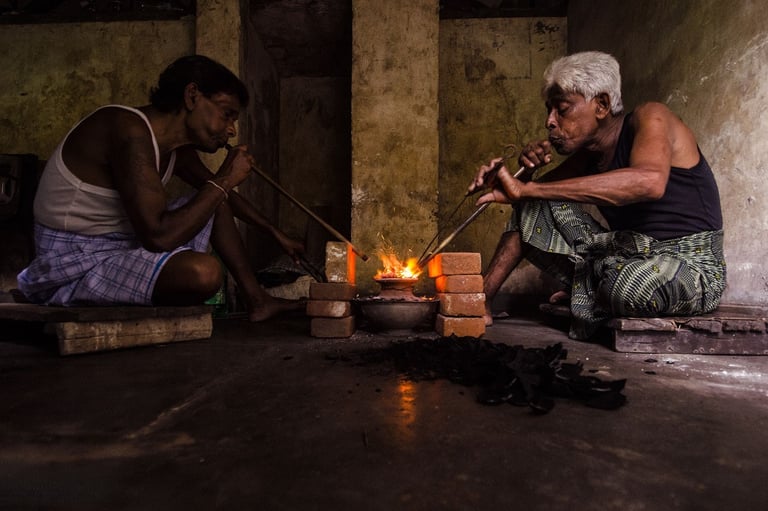
Sapphires are heated between 500 °C and 800 °C using mouth-blowing air or board fanning. These methods were largely practiced in Ceylon until the modern method, the "Lakmini gas furnace" was invented in 1984. Modern methods are much result oriented than traditional methods.
What are the heat treating methods?
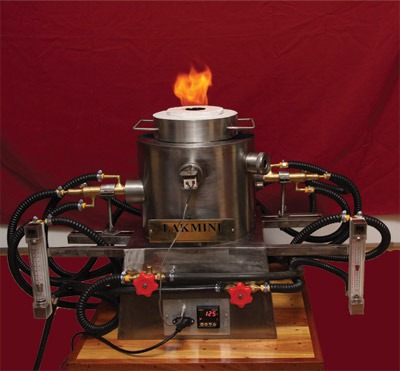
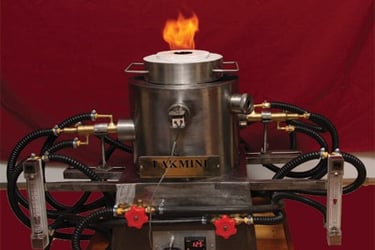
Natural heat-treating methods
Typically, there are two methods to heat treat the sapphire naturally.
Traditional natural methods
Modern natural methods
Sapphires are heated between 1000 °C and 1900 °C using gas, diesel, and electric furnaces. The gas method was largely practiced in Ceylon using the "Lakmini gas furnace". Occasionally, the gas and electric combined method is used to get a good luster, depending on the stone.
Infuse the heat-treating methods
Typically, there are two methods to heat treat the sapphire infused.
Trace elements infusing methods
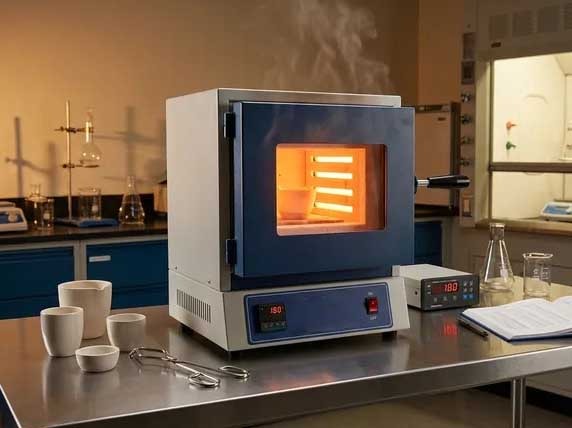
Sapphires are heated between 1300 °C and 1800 °C and cooldown. Then re-heat with coated trace elements such as berilium, titanium, or any other. These methods are not accepted in Ceylon as the gemstone lost the naturality by being infused with something from outside the stone.
Lead glass filling methods
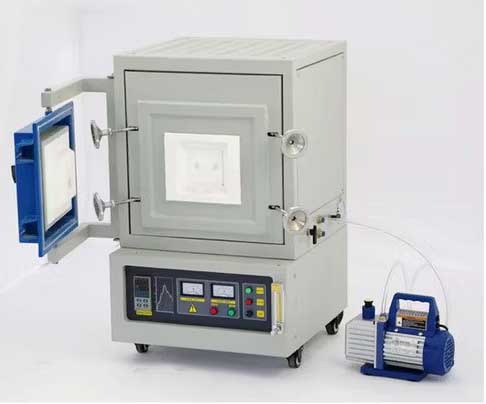

Sapphires are heated between 900 °C and 1400 °C and cooldown. Then re-heat with coated lead glass powder and other chemicals to fill the glass to the fractures. These methods are not accepted in Ceylon as the gemstone lost the naturality by being infused with something from outside the stone.
What type of sapphires are heated?
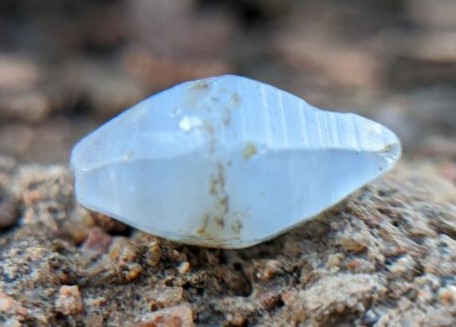
These distinctive sapphires are called Geuda sapphires, which have a milky, opaque, greyish or cloudy blue, cloudy pink, cloudy yellow, cloudy purple appearance. 70% in the world's heated quality sapphires are available in Ceylon only.
How do you know whether the gem is heated or not?
The best practice is to submit the gemstone to the gemological laboratory. If you want to obtain the certificate, they will provide it. You can check yourself if you have learned gemology and if you have the gem testing tools required. Experienced gem traders can identify a gemstone by seeing it carefully, but occasionally they lose.